


British Grand Prix Silverstone Waterfall Project
British Grand Prix Silverstone Waterfall Project
A few months before the British Grand Prix at Silverstone, Alex and Matt from the UK came to me with a serious deadline: they needed to build a waterfall feature for the event in only four weeks.
They asked for a one-time license to use the Tendi Light waterfall system. I shared the 3D STEP file for stainless-steel fabrication, recommended pumps and parts, and held one 45-minute meeting to explain how I would build it.
A fast build, completed locally
After that meeting, I did not hear much from them. Then the message arrived: the installation was complete and had gone very smoothly, apart from a few small plumbing issues and metalwork changes caused by their own initial mistakes.
That is exactly the point of sharing experience before a build starts. Of course, people can learn while building, but it can take many hours, days, and unnecessary expense to solve problems that have already been solved before.
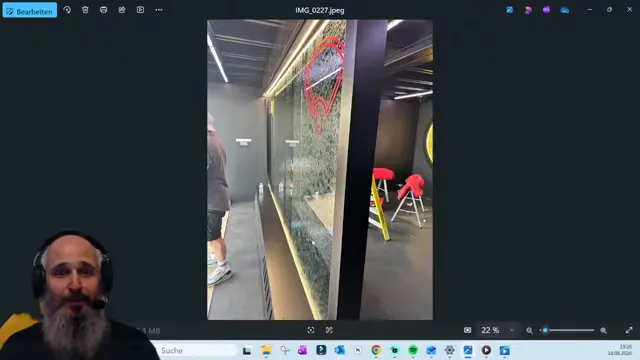
The finished waterfall was seen by around half a million people at the Silverstone event. Alex and Matt fabricated the stainless-steel waterfall components locally from the supplied plans and added their own very nice patterned covers.
How the frameless glass waterfall works
This was a short-term, manually operated installation, not the kind of automated long-term system I normally focus on. It was filled with lime-free distilled water, which makes operation less demanding than an automated water feature.
Still, the project demonstrates an important feature of the system: it can create a frameless glass waterfall.
- Water is distributed from one side of the glass panel.
- No perimeter frame is needed to keep water from escaping at the edges.
- After startup, the water distribution needs calibration to achieve full, even coverage.
- The glass wall can be made from two or more panels rather than one very large sheet.
The installers used two glass slabs placed together. They did not need to glue the joint. Surface tension keeps the water flowing together on the front, while the backside remains dry.
Why a one-time license made sense
Manufacturing in Germany and shipping internationally is possible, but it is not always the best answer, especially when the schedule is very tight. In this case, a one-time license made it possible for a local team to manufacture the system quickly and build the feature with guidance.
The approach is simple: share the technical blueprint, explain the system, recommend appropriate components, and let a capable local fabricator do the production. For installers who want to build more than one project, a multiple-use license can also be discussed.
Alex and Matt now have experience with this system and can help with indoor or outdoor waterfall projects in the UK.
|


